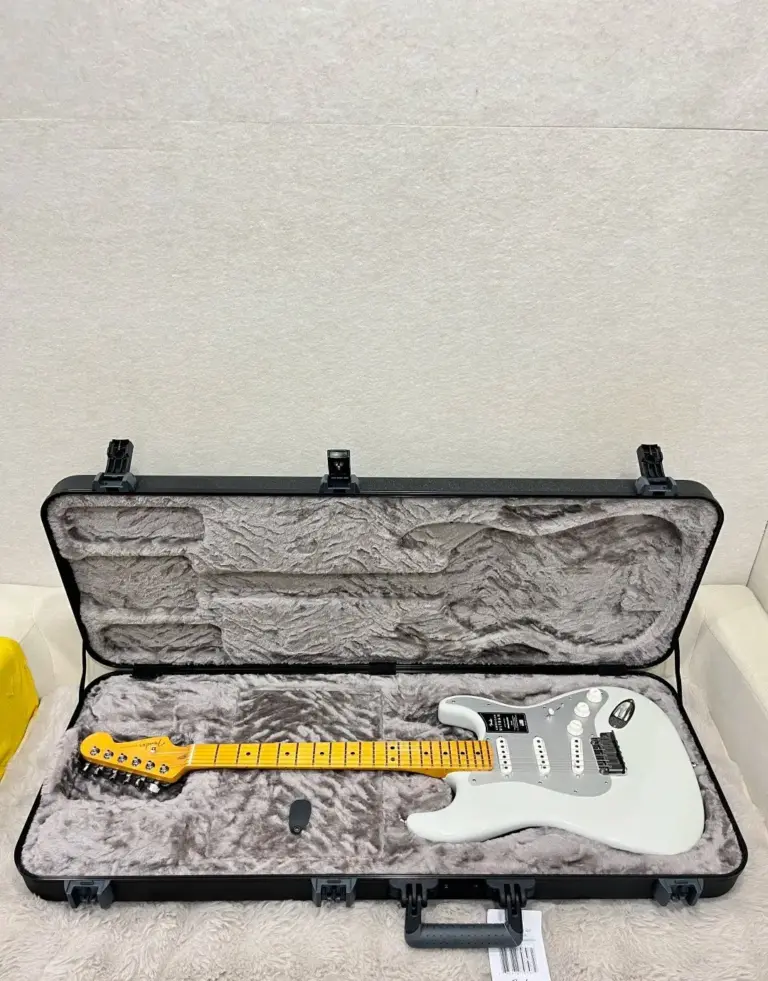
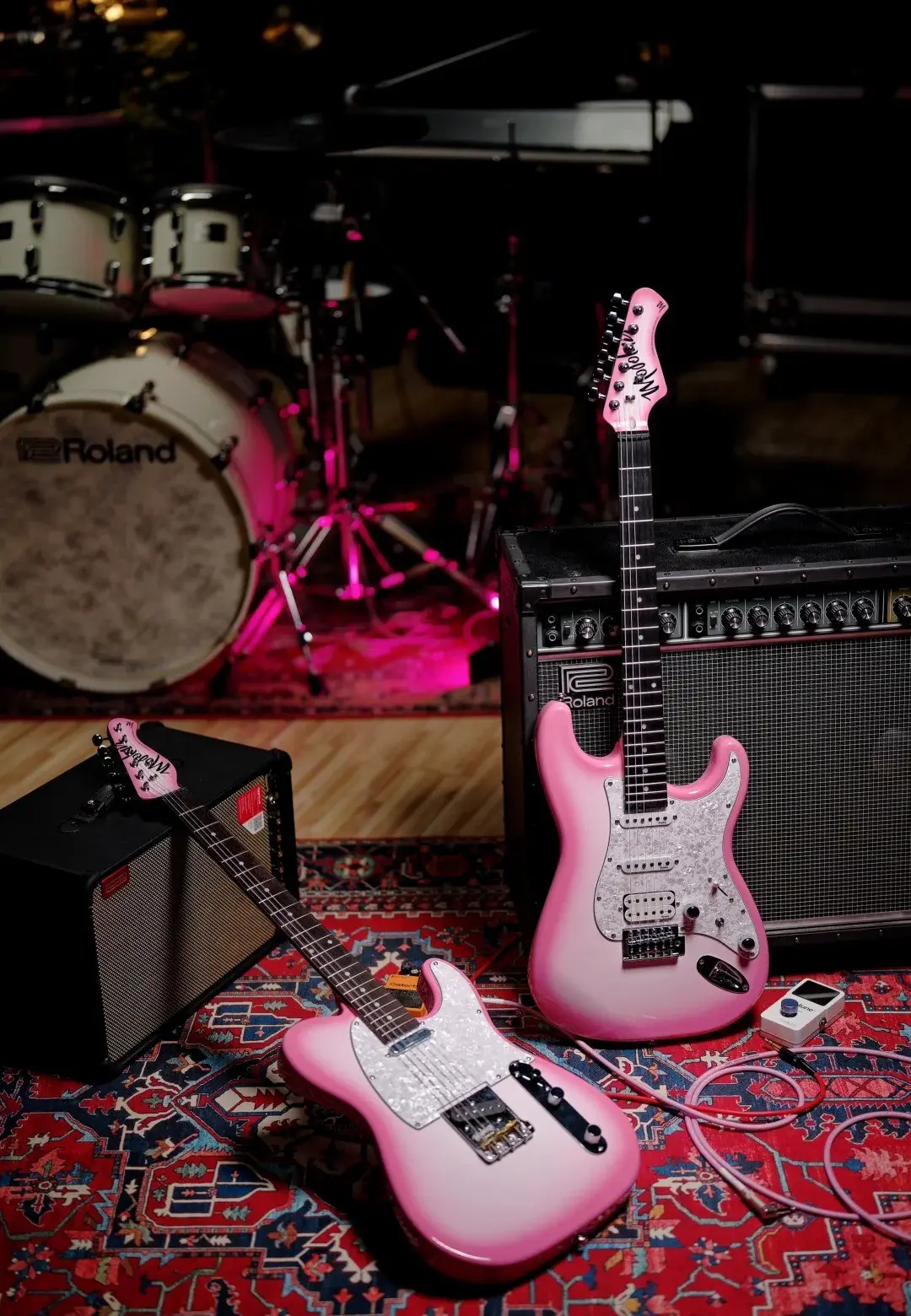
Best Electric Guitars Under $500
The under-$500 segment is the best it has ever been. Today’s budget electrics are genuinely gig-worthy — far from the unplayable toys of decades past. Here’s what to look for and which families consistently deliver.
What “under $500” buys you now
At this price you get solid tone woods, reliable hardware, and pickups that sound good with minimal upgrades. The biggest variable is the setup: a quick professional setup turns a good budget guitar into a great-playing one.
Families that consistently punch above their price
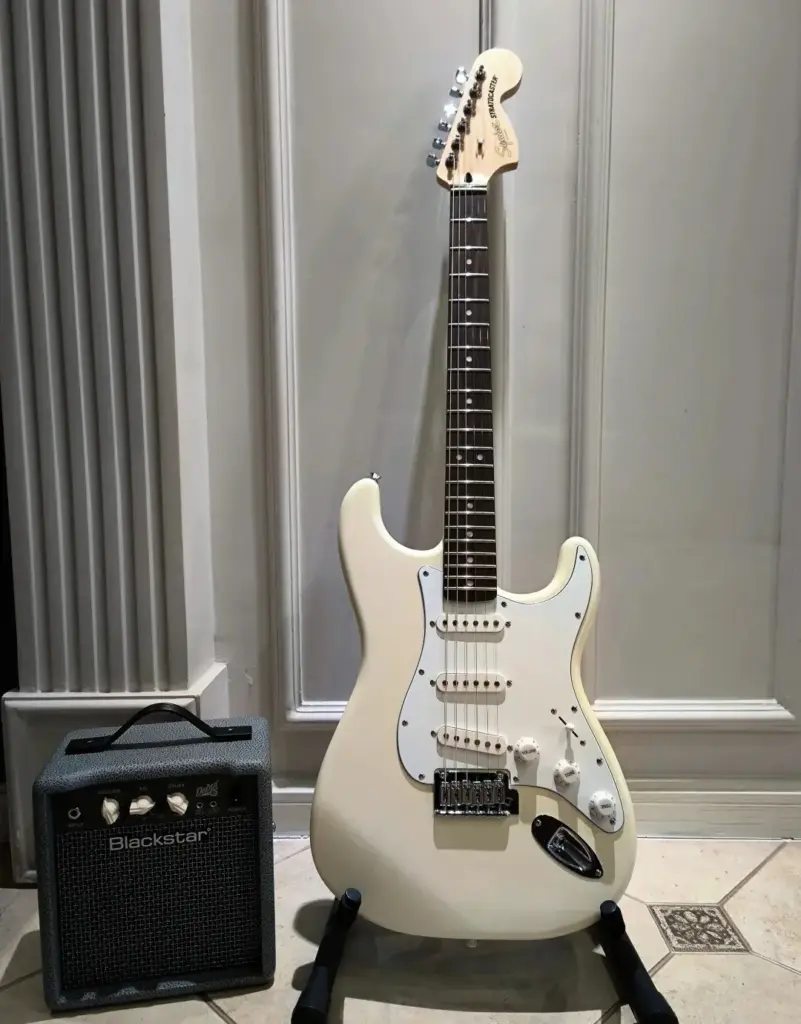
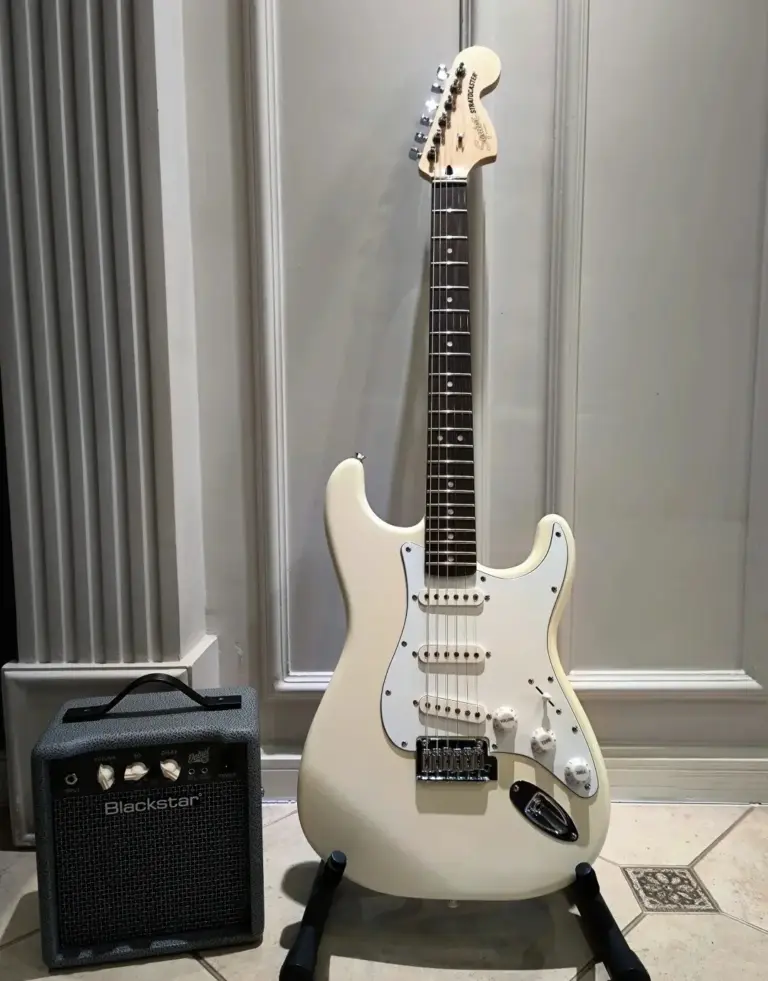
- Squier Classic Vibe — superb Strat/Tele recreations, a perennial value benchmark.
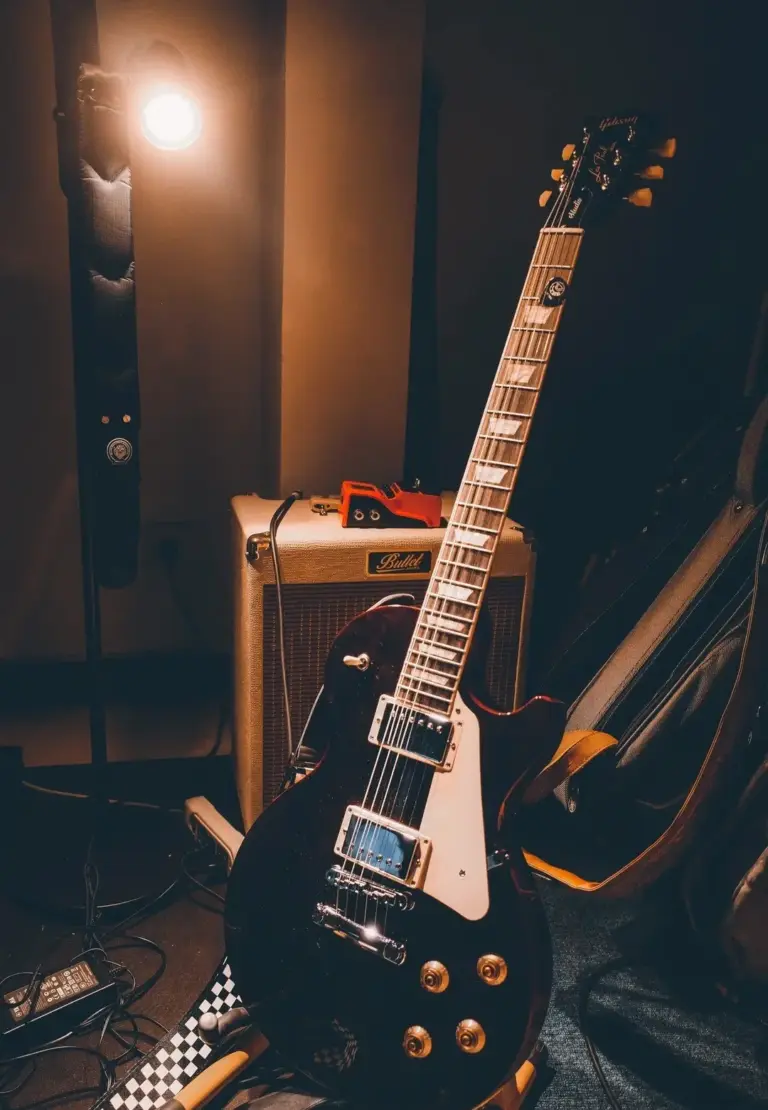
- Epiphone (Inspired by Gibson) — Les Paul and SG tones for a fraction of the Gibson price.
- Yamaha Pacifica — legendary beginner-to-intermediate workhorse, brilliant build.
- Harley Benton — astonishing spec-per-euro, the ultra-budget champion.
- Ibanez — fast necks and versatile pickups, great for rock/metal.
The models, side by side
Families are a start, but you buy a model. Here are the specific guitars from those families (plus a few metal-leaning picks) that come up most often in “under $500” threads. Prices are wide ranges observed in 2026 for new guitars; they move with sales and finishes, so check current listings, and note that a couple of these sit right at the edge of the budget.
| Model | Best for | Strengths | Weaknesses | Price range observed 2026 |
|---|---|---|---|---|
| Squier Classic Vibe ’50s / ’60s Stratocaster | Vintage Strat tones; the value benchmark | Alnico pickups, excellent necks, holds its value | Uses most of the budget; heavier than an Affinity | Roughly $400–$500, check current listings |
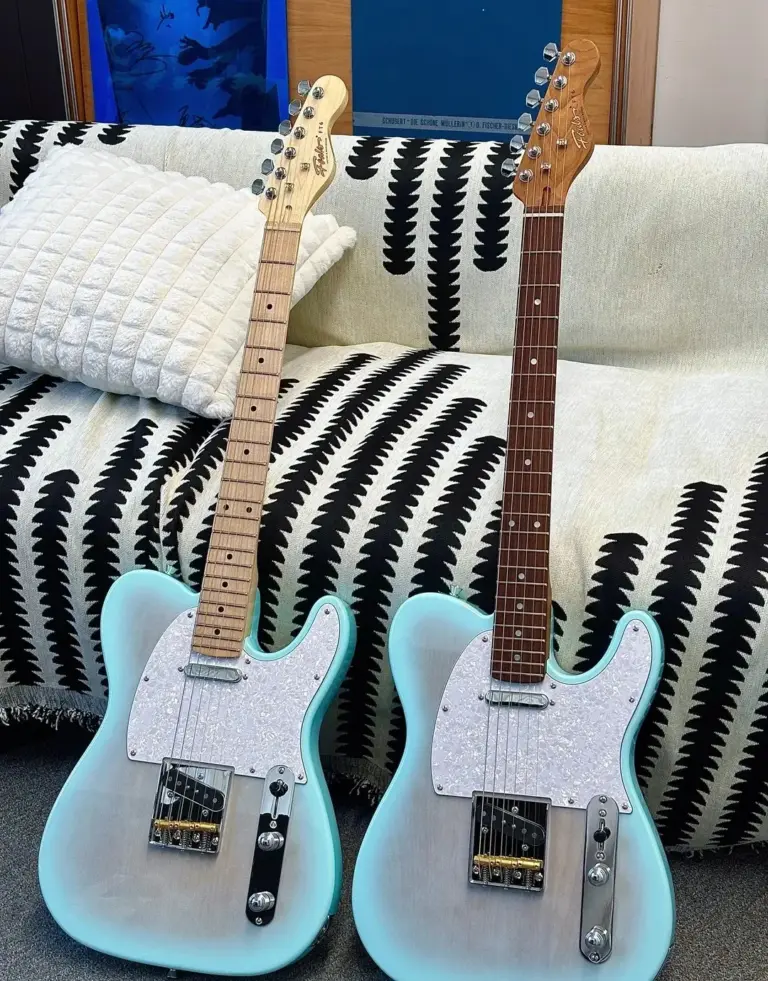
| Squier Classic Vibe ’50s Telecaster | Country, indie, rock rhythm | Same series quality, simple and robust | Bright pickups may need some amp EQ | Roughly $400–$500, check current listings |
| Squier Affinity Stratocaster | A first guitar with money left for an amp | Light, comfortable, huge used market | Basic tuners and tremolo | Roughly $200–$300, check current listings |
| Yamaha Pacifica 112V | The safest first guitar for any genre | Consistency, versatile HSS layout with coil-split | Plain looks | Roughly $300–$380, check current listings |
| Epiphone Les Paul Studio | Rock and blues humbucker tones | Set neck, the classic Les Paul voice | Heavy; the Standard models cost more | Roughly $400–$550, deals bring it under budget |
| Epiphone SG Standard | A lighter humbucker guitar | ProBucker pickups, upper-fret access | Neck dive; often just over $500 | Roughly $450–$600, check current listings |
| Harley Benton SC-450Plus / TE-52 | The tightest budgets, especially in Europe | Astonishing spec per euro | Import costs outside the EU; QC variability | Roughly $150–$300 before shipping |
| Ibanez GRG170DX / RG421 | Rock and metal, fast necks | Thin Wizard-style necks, hot humbuckers (the RG421 has a fixed bridge) | The GRG’s trem is basic; not built for vintage tones | Roughly $200–$450, check current listings |
| ESP LTD EC-256 | Metal and hard rock in a Les Paul shape | Set neck, coil-split, binding that looks far pricier | On the heavy side; dark voice | Roughly $400–$500, check current listings |
| Schecter Omen-6 | Modern rock and metal | Comfortable, well built, hot pickups | Looks are polarising; not the best clean machine | Roughly $400–$500, check current listings |
| Jackson JS32 | Metal on the cheap | Fast neck, aggressive looks | The trem versions need setup care | Roughly $200–$300, check current listings |
This page contains affiliate links. If you buy through them, we may earn a commission at no extra cost to you.
How to choose between them
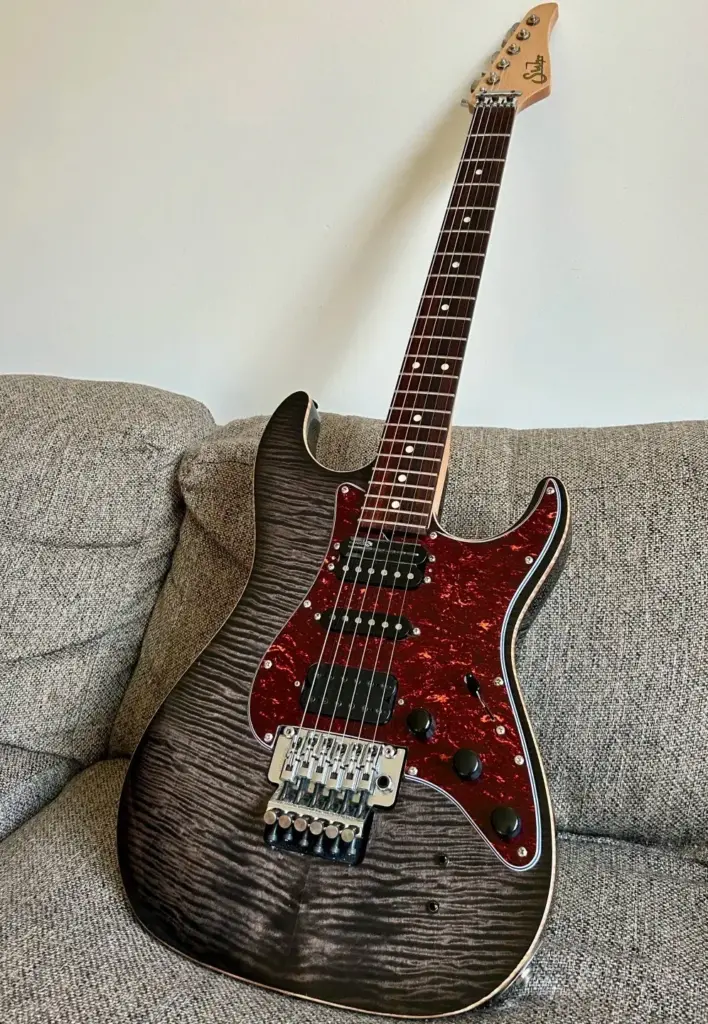
Match the guitar to your style (single-coils for bright/clean, humbuckers for rock), prioritise comfort, and don’t ignore the unglamorous stuff: tuning stability, fret finish and electronics. A model that stays in tune and feels good beats one with a flashier spec sheet.
Why a setup matters more than the badge
The single most important thing to understand about budget guitars is that the setup often matters more than the model. A “setup” means adjusting the action, intonation, neck relief and nut so the guitar plays easily and stays in tune. Two identical guitars off the same production line can feel worlds apart — one fresh from a rushed factory line, the other properly adjusted. A guitar that plays badly out of the box isn’t necessarily bad; it usually just needs an hour of adjustment.
Budget for a professional setup (often modest in cost) when you buy, or learn to do the basics yourself. Owners consistently report that a good setup transforms a cheap guitar from frustrating to genuinely enjoyable, which is why seasoned players say “just get it set up” more than almost anything else.
New versus used at this budget
Under $500, the used market is a goldmine because guitars hold up well and depreciate. A used guitar that cost $700 new can fall comfortably into your budget while offering better woods, hardware and pickups than a new guitar at the same price. The catch is that you need to inspect it — check the neck is straight, the frets aren’t badly worn, the electronics are quiet, and nothing rattles.
Buying new gets you a warranty, a guaranteed clean instrument and the option to return it, which is reassuring for a first purchase. If you’re confident inspecting a guitar (or can bring someone who is), used stretches your money furthest; if you want peace of mind, new from a shop with a return policy is the safer route.
Match the guitar to your genre
At this price you have real choice, so let the music you want to play guide you:
- Blues, funk, country, indie, classic rock — single-coil guitars like a Squier Classic Vibe Strat or Tele, or a Yamaha Pacifica for extra versatility.
- Rock, hard rock, metal — humbucker guitars such as an Epiphone Les Paul/SG or an Ibanez, for thickness and sustain.
- A bit of everything — an HSS layout (like many Pacificas) or a coil-splitting humbucker guitar gives you both worlds.
Prioritise a model that stays in tune and feels comfortable over one with a flashier spec sheet. Tuning stability, fret finish and a neck you enjoy holding will keep you playing long after the novelty of extra features wears off.
Mistakes to avoid at this budget
Reading through “I regret buying…” threads, the same handful of mistakes come up far more often than a genuinely bad guitar does. From helping friends choose and from years of reading the forums, these are the ones worth avoiding:
- Spending the whole $500 on the guitar. The amp is half the sound. A $350 guitar through a decent $150 amp beats a $500 guitar through a $30 speaker every time.
- Buying a locking-tremolo guitar as a first instrument. A Floyd Rose-style bridge is brilliant for dive bombs and a pain for restringing and tuning changes. Unless you know you need it, choose a fixed bridge or a simple vintage-style trem.
- Choosing by finish or shape alone. The neck you hold every day matters more than the colour you look at. Try a couple of profiles if you can.
- Ignoring the used market. As explained above, a used guitar from the next bracket up is often the best instrument you can get for the money.
- Skipping the setup. A poorly set-up guitar is the number one reason beginners conclude they are “not talented” and give up.
- Falling for no-name marketplace guitars. Guitars with copied shapes, no published specs, no real warranty and no return policy are where the horror stories live. Stick to brands that publish what they build and retailers that take returns.
Our full list of beginner guitar buying mistakes goes deeper on each of these.
Which amp to pair with a sub-$500 guitar
If you follow the advice above, you will be splitting the budget roughly two-thirds to the guitar and one-third to the amp, and that third buys a lot today. For home practice, the modelling combos dominate owner recommendations: the Boss Katana range (the Katana-50 and the tiny Katana Mini), the Fender Mustang LT25, the Positive Grid Spark family and the Yamaha THR10II all cover clean, crunch and high gain, take headphones for late-night practice, and cost far less than they sound. A single-coil Squier or Pacifica shines through the cleaner Fender-style models; a humbucker Epiphone, Ibanez or LTD makes the most of the Katana’s gain channels. Our best first guitar amp under $200 guide picks the right one for your guitar and your living situation.
Before you order: the checklist
- Genre first. Decide single-coil, humbucker or HSS based on what you actually want to play, using the genre section above.
- Neck and weight. If you can, hold a Strat-style, a Les Paul-style and an Ibanez-style neck in a shop for ten minutes each. Comfort is the thing you cannot upgrade later.
- Bridge type. Fixed bridge or simple trem for a first guitar; locking trem only if you know why you want one.
- Landed price. Add tax, shipping and, for imports like Harley Benton, duties and return costs. Our is Harley Benton worth importing article runs the numbers.
- Return policy. Buy new only from a retailer that takes returns without a fight; buy used only after an inspection.
- Setup budget. Keep a small amount aside for a professional setup, or for a tuner, strap and spare strings if you’ll do the basics yourself.
- Amp budget. Reserve roughly a third of the total for the amp before you fall in love with a guitar.
Riffbound verdict
Who it’s for: beginners and returning players who want one reliable, gig-capable electric and still need money for an amp; the Squier Classic Vibe, Yamaha Pacifica 112V and Epiphone Les Paul Studio are the three names that come up most, with Ibanez, LTD and Schecter for heavier styles.
Who should skip it: players who already know they want a specific neck or a locking trem and are willing to save a little longer, and anyone tempted by a no-name marketplace guitar just because it is cheaper.
The alternative worth a look: if you only ever want to buy one guitar, the Yamaha Pacifica 112V is the model owners regret least; if you can stretch the budget, a used PRS SE Standard is the classic step up.
Based on owner and teacher feedback, no paid testing. How we review.
FAQ
Are cheap electric guitars any good now?
Genuinely, yes. The under-$500 segment is the best it has ever been — modern budget guitars from Squier, Yamaha, Epiphone and Harley Benton are gig-worthy instruments, not toys. The main thing they benefit from is a proper setup.
How much should I spend on my first electric?
Around $200 to $400 buys a genuinely good first guitar, leaving room in the budget for an amp and accessories. Spending a little more than the rock-bottom option usually gets you noticeably better playability and tuning stability, which keeps beginners motivated.
Should I buy a guitar-and-amp pack?
Beginner packs are convenient and good value, bundling a decent guitar, small amp, tuner and accessories. Just check reviews of the specific guitar in the bundle, since that’s the part you’ll keep longest — the amp is easy to upgrade later.
Is the Squier Classic Vibe worth the extra over the Affinity?
If the budget allows, usually yes: better pickups, nicer necks and stronger resale. The Affinity remains the smarter pick when the extra money is better spent on an amp. Our Classic Vibe vs Affinity comparison goes through the differences one by one.
Humbuckers or single-coils for a first electric?
Single-coils if you lean towards blues, indie, funk or country; humbuckers for rock and metal. If you honestly don’t know yet, an HSS guitar such as the Pacifica 112V or a coil-splitting humbucker guitar keeps both doors open.
Spend wisely
Leave room in the budget for an amp and basics — see our best home-practice amps and essential accessories. New to buying? Start with how to choose your first electric guitar.
Sources and method
This synthesis is based on owner and teacher feedback read on the following communities (consulted in 2026), cross-checked against the manufacturers’ published specifications for each model:
- r/Guitar (owner feedback, very high volume)
- Ultimate Guitar (reviews and forums)
- The Gear Page (in-depth gear discussion)
- Manufacturers’ official spec sheets (fender.com for Squier, yamaha.com, epiphone.com, ibanez.com, boss.info, positivegrid.com)
We receive no free gear and no brand reads our articles. Merchant links are affiliate links: how we work.