Squier vs Epiphone: Best Budget Brands Compared
Squier and Epiphone are the two giants of affordable electric guitars — the official budget lines of Fender and Gibson. If you want a classic design without the premium price, it usually comes down to these two. Here’s how they compare. (If you’d rather hear how they hold up after months of ownership, that’s a separate piece: Squier vs Epiphone: what owners say after living with them.)
Different DNA
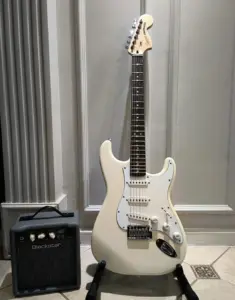
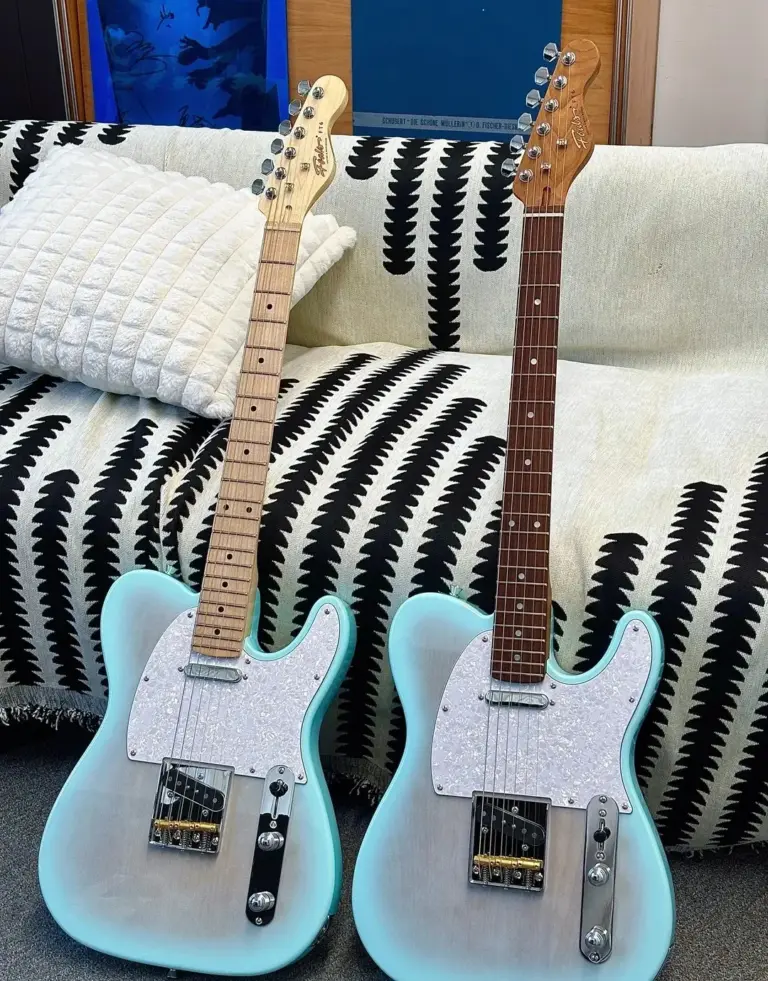
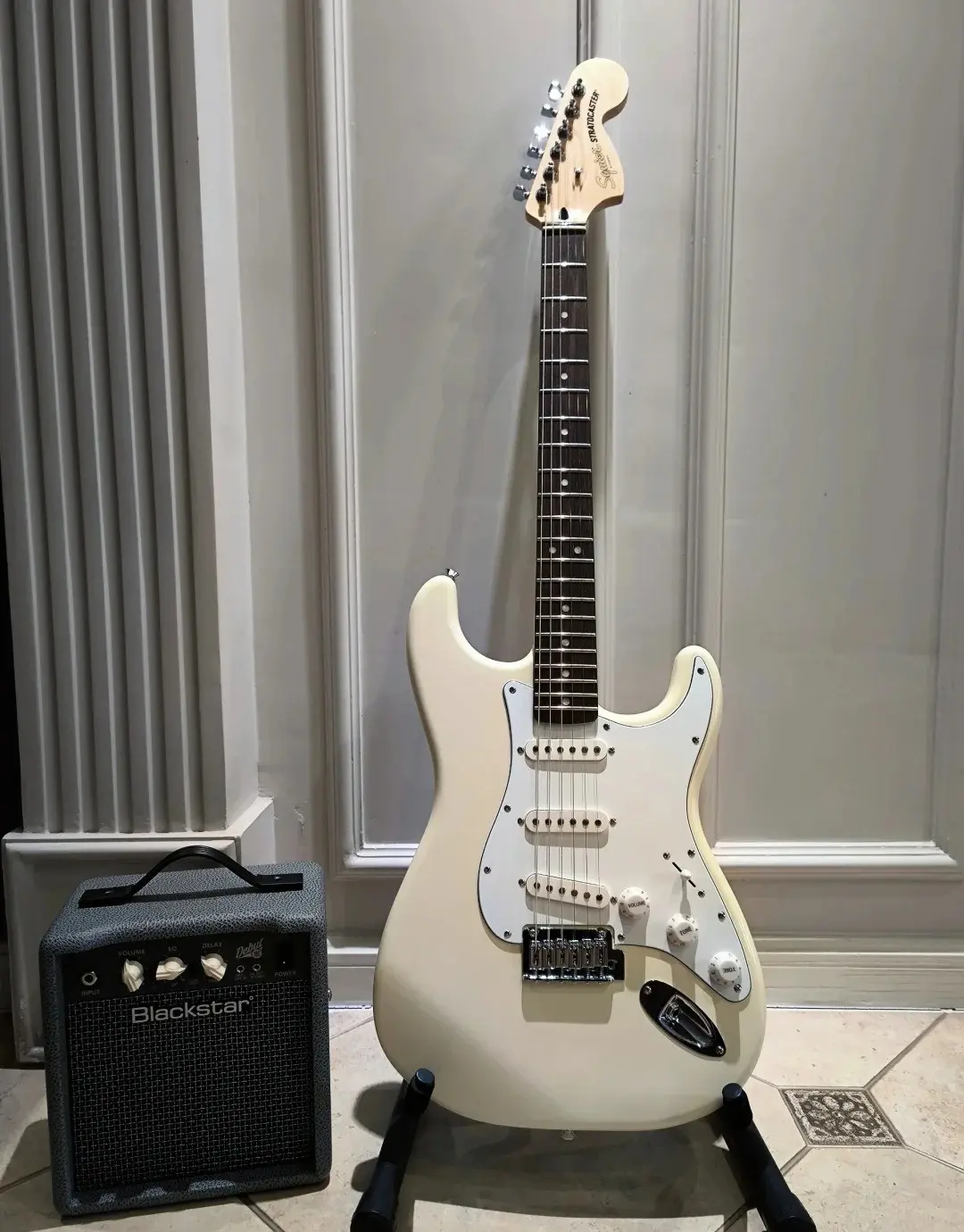
Squier is owned by Fender and builds affordable Stratocasters and Telecasters — bright single-coil tones, bolt-on necks, light contoured bodies. Epiphone is owned by Gibson and builds affordable Les Pauls and SGs — thick humbucker tones, set necks, more heft and sustain.
So the choice mirrors Fender vs Gibson
Picking between them is really picking between the two great design families — explored fully in our Fender vs Gibson guide. Want sparkle, twang and clean versatility? Squier. Want warmth, power and sustain? Epiphone.
Build and value
Both have raised their quality dramatically. Squier’s Classic Vibe series and Epiphone’s Inspired by Gibson range are the standouts — genuinely good instruments that need little more than a setup. Entry “Bullet”/”Affinity” (Squier) and “Epiphone Les Paul Special” tiers are perfectly fine first guitars.
Squier vs Epiphone at a glance
Here is the tier-by-tier picture, brand against brand. Prices are wide ranges observed in 2026 for new guitars; they vary by finish and promotion, so check current listings before you decide.
| Model | Best for | Strengths | Weaknesses | Price range observed 2026 |
|---|---|---|---|---|
| Squier Sonic Stratocaster (formerly Bullet) | Lowest possible entry price, kids, a spare | Very light, very cheap, playable after a setup | Cheapest pickups and hardware; upgrade soon | Roughly $150–$250 (check current listings) |
| Squier Affinity Stratocaster / Telecaster | First guitar on a budget, mod platform | Light body, satin neck, huge used market | Ceramic pickups, basic tuners, fret ends vary | Roughly $220–$320 (check current listings) |
| Squier Classic Vibe Stratocaster / Telecaster | The Squier to buy if you can | Alnico pickups, tinted gloss neck, vintage looks, strong resale | Single-coil hum with gain; noticeably pricier than Affinity | Roughly $400–$550 (check current listings) |
| Epiphone Les Paul Special (bolt-on entry models) | Rock beginners at Affinity money | Humbuckers, flat slab body so lighter than a real Les Paul | Bolt-on neck and simpler build; not the full Les Paul feel | Roughly $200–$300 (check current listings) |
| Epiphone Les Paul Studio | The affordable set-neck Les Paul | Set neck, two humbuckers, sustain, no-frills finish | Heavy; less versatile for clean styles | Roughly $450–$650 (check current listings) |
| Epiphone Les Paul Standard ’50s / ’60s (Inspired by Gibson) | Closest to a Gibson without the price | Gibson-style specs and feel, good resale, great for lead | Heaviest and priciest of the group | Roughly $550–$750 (check current listings) |
| Epiphone SG Standard | Humbuckers without Les Paul weight | Light, fast upper-fret access, thick tone | Neck dive on a strap | Roughly $450–$600 (check current listings) |
This page contains affiliate links. If you buy through them, we may earn a commission at no extra cost to you.
The model ranges decoded
Both brands sell several tiers, and knowing them helps you shop wisely. In the Squier line, the entry Bullet and Affinity series are perfectly good first guitars at the lowest prices, while the Classic Vibe series sits at the top of the budget range and is the standout — genuinely impressive Strat and Tele recreations that need little more than a setup. In the Epiphone line, the Special and Standard models cover entry to mid tiers, and the Inspired by Gibson range is the flagship, offering Les Paul and SG tones that get remarkably close to their Gibson parents.
The practical takeaway: if budget allows, stretching to a Squier Classic Vibe or an Epiphone Inspired by Gibson buys a noticeably better instrument than the entry tiers, and either can serve you for years rather than being outgrown quickly.
Scale length, neck and feel: the objective differences
Beyond tone, the two brands inherit their parents’ physical design choices, and these matter more to a beginner than any spec sheet suggests. Squiers use Fender’s 25.5-inch scale length: the frets are slightly further apart and the strings feel a touch tighter at the same gauge, which gives that snappy, bright attack. Epiphone Les Pauls and SGs use Gibson’s 24.75-inch scale: frets sit a little closer together, bends feel slightly easier, and the strings feel slinkier. If you have small hands or struggle with wide stretches, the shorter Gibson scale is a genuine (if modest) advantage; if you want tight low strings for riffing in standard tuning, the Fender scale helps.
Neck construction
Squier’s bolt-on necks are easy to shim, replace or adjust, which is why they’re the tinkerer’s favourite. Epiphone’s set necks (on Studio and above — the cheapest Specials are bolt-on) are glued in, which owners associate with the Les Paul’s sustain and feel, at the cost of being harder to repair. Epiphone’s angled headstock also makes the guitar more vulnerable to a fall than a Squier’s flat one, so a stand or a case is a wise purchase.
Body and balance
A contoured Strat body sits against you comfortably, sitting or standing. A Les Paul is a flat slab with no contours and real weight; an SG is light but tends to tip headstock-down on a strap. None of this is a reason to avoid a design you love — but if you can, hold each shape in a shop for ten minutes before ordering. Our Les Paul vs Stratocaster for beginners guide goes deeper on the ergonomics.
Upgrades that transform a budget guitar
Part of the appeal of both brands is how well they respond to modest upgrades. The most effective, in rough order of impact, are: a professional setup (the biggest single improvement to playability), a pickup swap if the stock units don’t suit your style, and better tuners or a bone/graphite nut for improved tuning stability. Because Squiers use bolt-on necks and simple electronics, they’re especially easy to modify, which has made them a favourite platform for tinkerers. Epiphones respond just as well to a setup and pickup change, unlocking more of that Gibson-style warmth.
You rarely need to do all of this — a setup alone is often enough. But it’s reassuring to know that a cheap guitar can be improved step by step as your ear and budget develop, rather than needing to be replaced.
Resale and long-term value
Budget guitars won’t appreciate, but the better models from both brands hold their value reasonably well on the used market, especially the Classic Vibe and Inspired by Gibson tiers. That means if you upgrade later, you can usually recoup a fair portion of what you paid. It also means the used market is a smart place to shop: a lightly used Classic Vibe or Inspired by Gibson often sells for less than new while playing just as well, provided you inspect it for straight neck, clean frets and quiet electronics before buying.
Which amp suits each brand
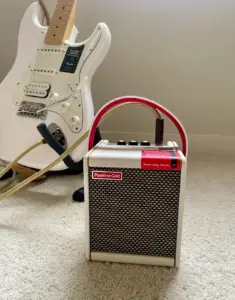
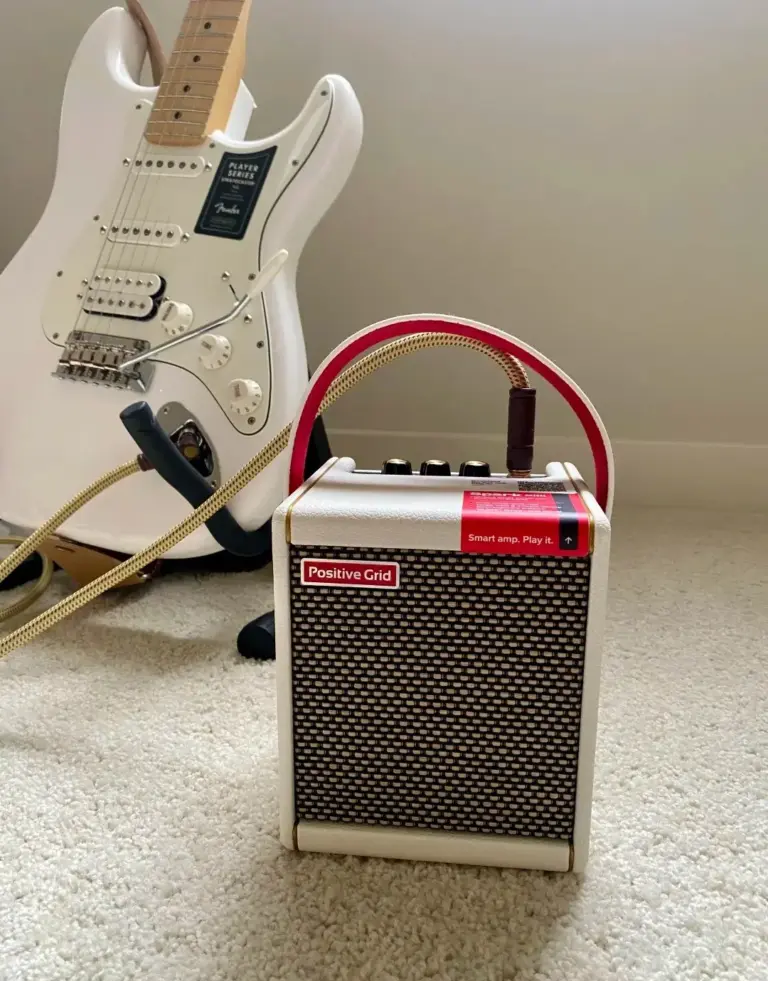
The brand comparison isn’t complete without the amp, because the two families ask for slightly different things. Single-coil Squiers shine through an amp with generous clean headroom — a small dark practice amp makes them sound thin, and that’s the source of a lot of unfair verdicts. Epiphone humbuckers push an amp harder and want a crunch channel that stays defined rather than turning to mush. The good news is that one modern modelling combo covers both: the Boss Katana is the default recommendation in almost every thread, with the Fender Mustang LT25 (a natural match for a Squier) and the Positive Grid Spark (great for app-based practice with either) as the usual alternatives. I’ve compared those three head to head in Boss Katana vs Fender Mustang vs Spark. Whatever you choose, keep some budget back for it: a great guitar through a bad amp is a bad guitar.
Mistakes to avoid when buying
- Choosing by brand instead of by design. The Squier-versus-Epiphone question is really Strat-versus-Les-Paul. Decide the shape and pickup type you want, then the brand follows.
- Mixing up the tiers. An Affinity and a Classic Vibe are very different guitars; so are a bolt-on Les Paul Special and an Inspired by Gibson Standard. Check the exact model name on the listing, not just the headstock logo.
- Buying the entry tier when the flagship was within reach. Owners who upgrade within a year end up paying for two guitars.
- Judging tone before the setup. Both brands ship fine but not perfect; a setup is cheaper than a return and usually resolves the “it buzzes” complaints.
- Forgetting the extras. Strap, tuner, cable, picks, spare strings and a stand add up, and the broader traps are in beginner guitar buying mistakes.
Riffbound verdict
Who it’s for: Squier is the pick for the beginner who wants a light, versatile guitar with clean, blues, funk and classic-rock tones, and for anyone who likes the idea of modding. Epiphone is the pick for the player who already hears humbucker warmth, sustain and rock in their head and wants the Gibson design language from the start.
Who should skip it: If you need one guitar to cover every style equally, neither brand’s single-coil-only or humbucker-only designs are the most flexible option — an HSS guitar is. And if weight or neck dive would put you off practising, be careful with the Les Paul and the SG respectively.
The alternative worth a look: The Yamaha Pacifica 112V, an HSS design that owners praise for consistency — see our Pacifica 112V owner review. On the Squier side specifically, Classic Vibe vs Affinity settles which tier to buy.
Based on owner and teacher feedback, no paid testing. How we review.
FAQ
Is Squier or Epiphone better for a beginner?
Both are excellent, and the choice mirrors Fender versus Gibson. Squier gives bright, versatile single-coil tones in a lighter body; Epiphone gives thick humbucker warmth and sustain. Choose by the sound and shape you want rather than by brand.
Which models should I look at specifically?
For the best value, the Squier Classic Vibe series and Epiphone’s Inspired by Gibson range are the standouts. The entry Bullet/Affinity (Squier) and Special (Epiphone) tiers are perfectly good first guitars if the budget is tighter.
Do these guitars need upgrades to be good?
No — modern examples are good out of the box and mainly benefit from a proper setup. Pickup and hardware upgrades are optional and best done later, once you know exactly what tone and feel you’re after.
Are Squier and Epiphone made by Fender and Gibson themselves?
They are owned by Fender and Gibson respectively and built to their designs, but manufactured in Asian factories (Indonesia and China are the usual origins on current models) to hit the lower price points. That’s why the designs and names are faithful while the woods, hardware and electronics are cost-reduced versions of the parent brands’ parts.
Which is easier to play with small hands?
Epiphone’s shorter 24.75-inch scale puts the frets slightly closer together and makes bends a touch easier, so it has a small edge for stretches. The Squier’s slimmer, lighter body is more comfortable to hold, though. Neither is a problem for most players; try both shapes if you can.
Which should you buy?
Choose by tone and feel, exactly as you would with their premium parents. Both are reliable, in-tune and upgrade-friendly. For the wider budget field (including Yamaha, Harley Benton, Ibanez), see our best electric guitars under $500.
En français : guides matériel guitare.
Sources and method
This synthesis is based on owner and teacher feedback read on the following communities (consulted in 2026): brand comparison threads, tier-by-tier buying advice and long-term value discussions for Squier and Epiphone.
- r/Guitar (owner feedback, very high volume)
- Ultimate Guitar (reviews and forums)
- The Gear Page (in-depth gear discussion)
- Manufacturers’ official spec sheets (fender.com for Squier, epiphone.com for Epiphone; scale lengths and neck construction taken from the official listings)
We receive no free gear and no brand reads our articles. Merchant links are affiliate links: how we work.